
Custom Web Apps: Portals, Dashboards, and Interactive Tools
Most web applications don’t fail from technical problems. They fail from strategic ones. They solve problems users don’t have. They optimize flows users don’t follow. They assume behavior that doesn’t exist. Building sites that work means understanding the difference.

Building Experiences, Not Just Websites
We have been building websites since the early days of the internet. Here’s the biggest lesson we’ve had to get used to: technology changes constantly, but human behavior changes slowly. Understanding this disconnect is what separates websites that perform from websites that look good in portfolios.
Early on, we chased every new framework and technology. Now we focus on timeless principles: clarity over cleverness, speed over features, and reducing friction at every step. These principles outlast any JavaScript framework.

Partnership Over Vendor Relationships
There are plenty of development shops that will build whatever you spec. The problem: most stakeholders don’t know what they actually need until they see it working. Requirements gathered in conference rooms rarely survive contact with real users.
We work differently. We challenge assumptions early. We build prototypes to test hypotheses. We push back when requested features hurt user experience. This approach requires trust. It’s why our client relationships measure in decades.
The Four Questions That Matter
Technology doesn’t determine if web applications succeed. These four questions do: What are we building? For whom? Why will they use it? How will they use it? Answer these wrong and perfect code won’t save you. Answer them right and everything else gets easier.


Why Wireframes Come First
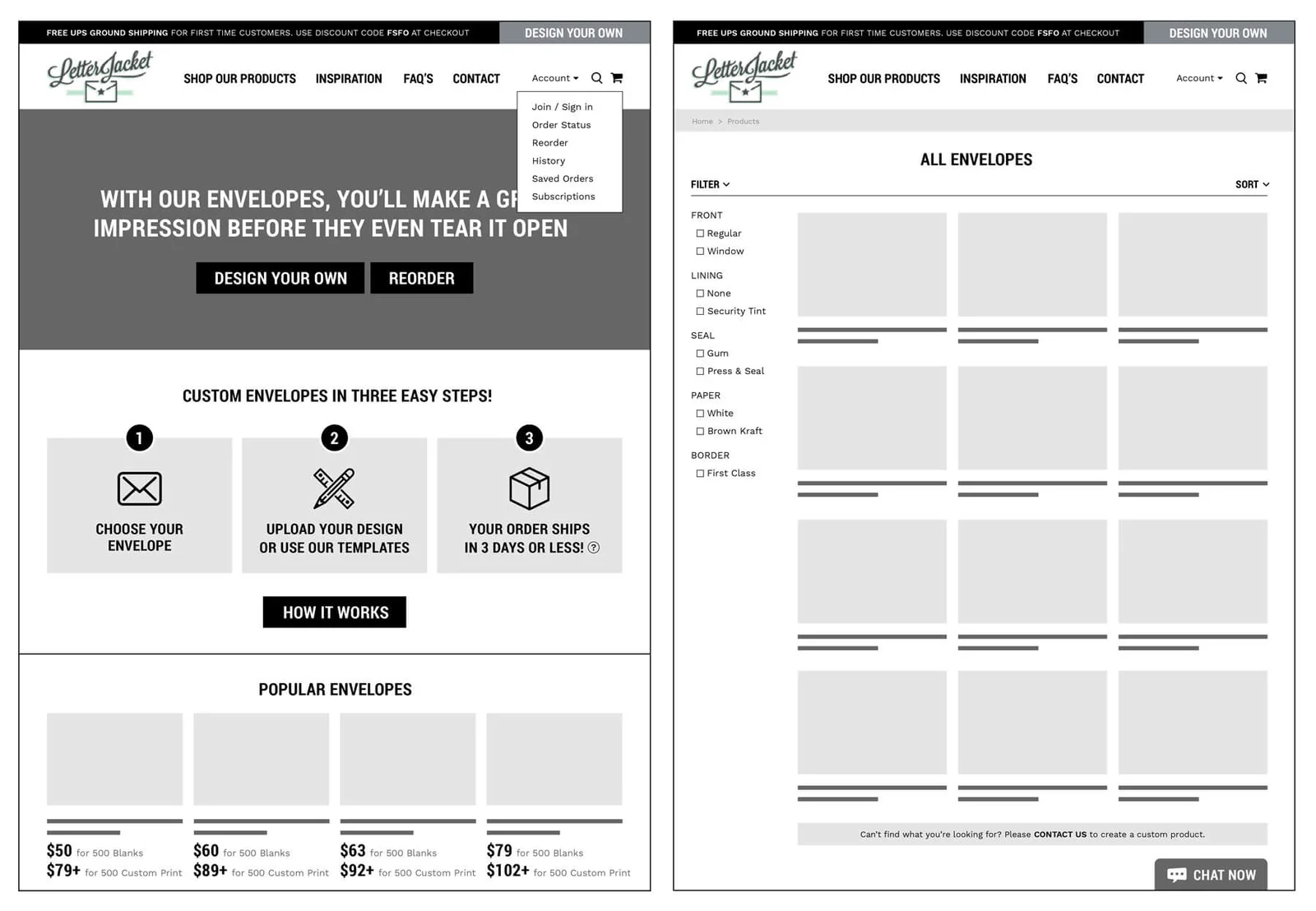
Wireframes force you to think about the user’s journey before getting distracted by colors and fonts. They help you understand what users need to accomplish and remove everything that doesn’t serve that goal.
When we wireframe first, we catch structural problems early when they’re easy to fix. If we skip wireframes, we catch those same problems after design and development, when fixing them means rework, delays, and frustration.
Design as Foundation, Not Decoration
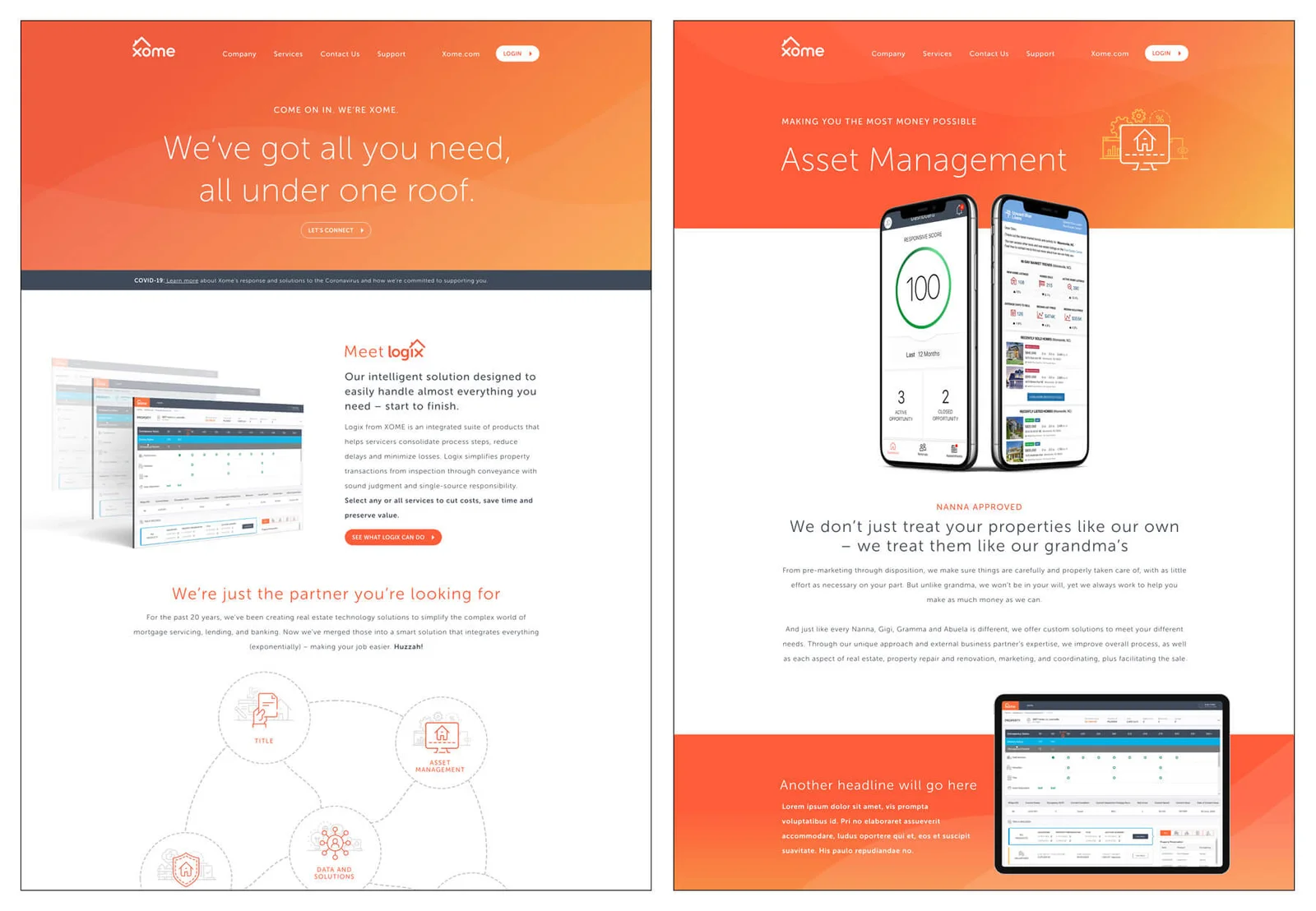
Design informed by strategy creates a visual system that developers can implement consistently. It establishes patterns that users can learn once and apply everywhere. It makes complex applications feel intuitive.
We approach design as the foundation for everything that follows. When done well, it accelerates development and improves user experience. When treated as decoration applied at the end, it creates technical debt and user confusion.
Web App Case Study: Omegasonics
THE CHALLENGE
WHAT WE BUILT
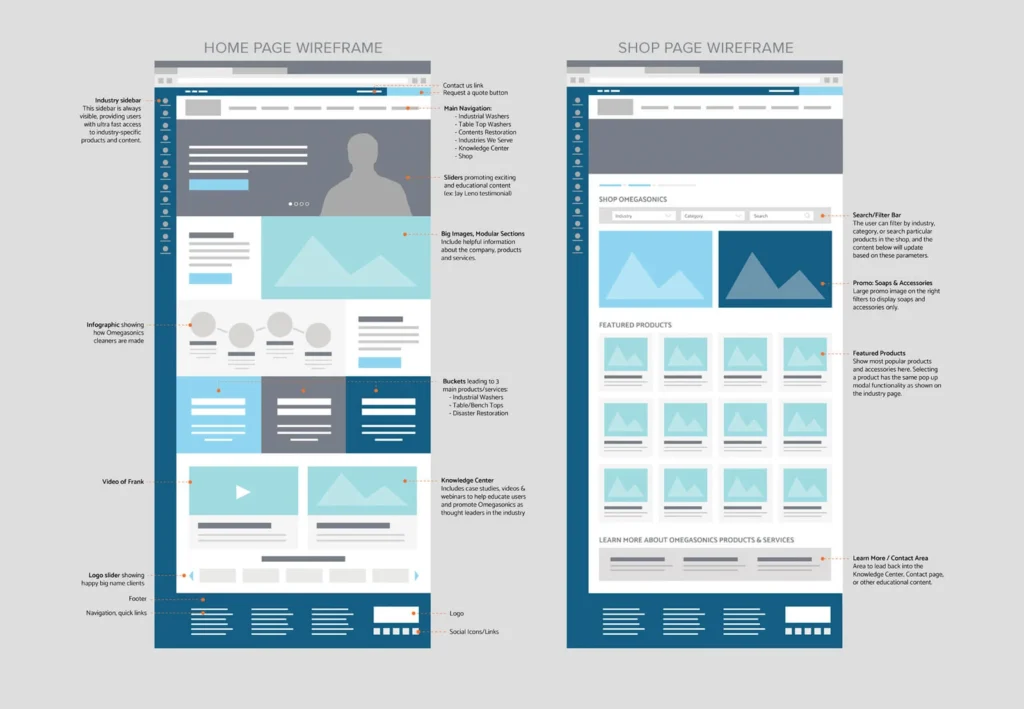
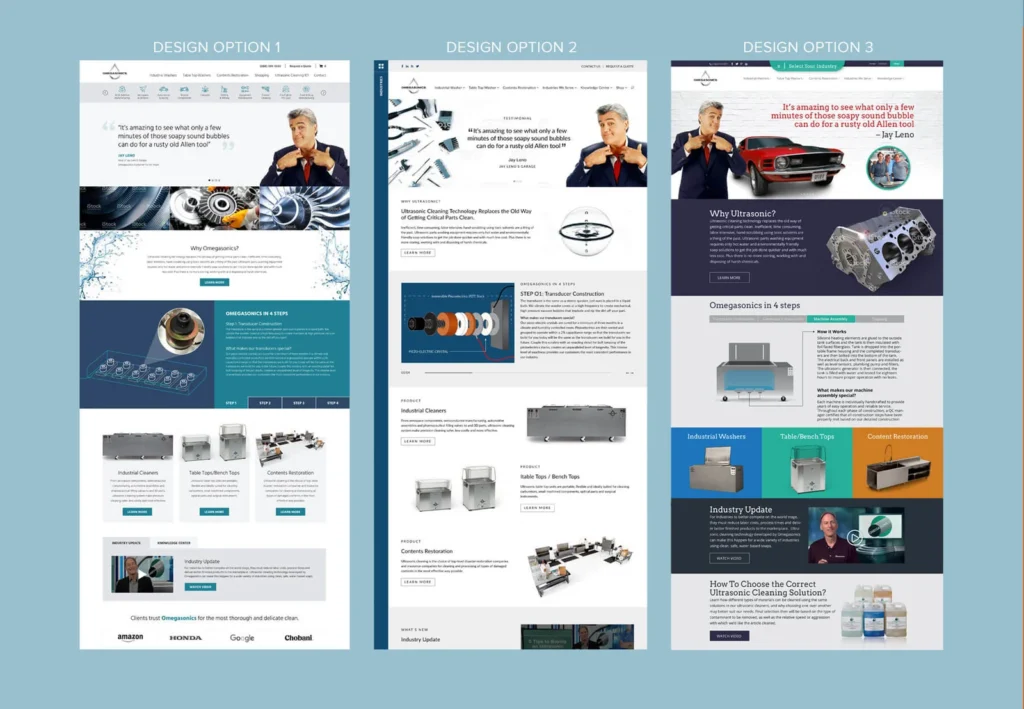
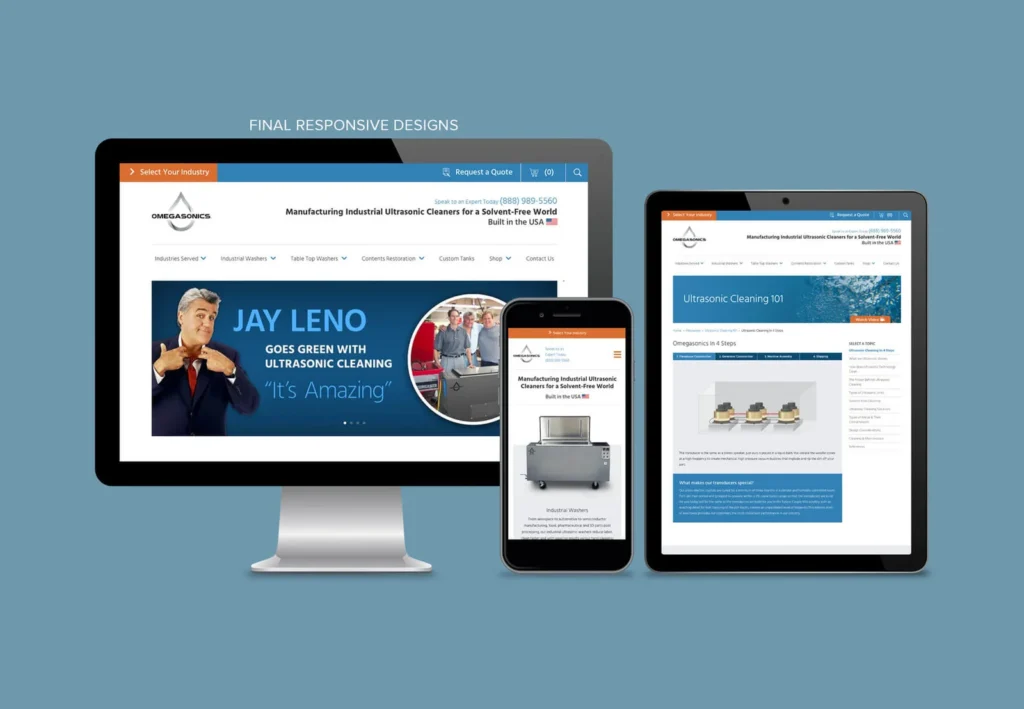
We adopted a tiered system of concise, specific mega-menus and landing pages for each critical segment, previewing application content with the ability to select more detail. This enabled us to organize hundreds of pages of information and create a coherent process for visitors to consume at their own pace. Tier One provides just enough content to establish interest, while Tier Two adds specifics and prepares the visitor for an inquiry or discussion with an Omegasonics expert.
The site combines the WordPress and WooCommerce platforms for scalability and customization and the ability to add specific functions as needs evolve. Security integrations include WordFence, which provides real-time visibility into user traffic, and safeguards against hack attempts.
THE RESULTS
We provide ongoing support to deliver new product and specification content as it is released and to refine search capabilities as new algorithms appear. The measurable impact tells the story:
Organic traffic is up more than 100% since the launch of this site. New users are up 112%. Average time spent on pages is up over 200%. Over 60% of new revenue can be tracked to the website. The investment has paid for itself 5X.
FAQs
What kind of web apps does Springbolt build?
Springbolt builds custom web applications including customer portals, internal tools, calculators, dashboards, lead generation forms, and interactive marketing experiences. The team handles design, development, and ongoing hosting.
What technologies does Springbolt use for web apps?
Springbolt web apps are typically built on React or Next.js with Node.js backends. Databases include PostgreSQL, MongoDB, and Firestore depending on requirements. Deployment is on Vercel, AWS, or client-preferred infrastructure.
How much does a web app cost to build?
Simple web apps (single-purpose calculators, form-based tools) start at $10,000. Mid-complexity apps (portals with authentication and data storage) typically range from $30,000 to $75,000. Complex apps are scoped individually.
How long does web app development take?
Simple web apps ship in 3 to 6 weeks. Mid-complexity portals ship in 8 to 14 weeks. Complex apps run 4 to 6 months. Springbolt provides a detailed timeline after scoping.
Does Springbolt host and maintain web apps after launch?
Yes. Springbolt offers ongoing hosting, monitoring, security patching, and feature development on monthly retainer. Post-launch retainers start at $1,500 per month depending on complexity.
Can Springbolt take over an existing web app from another developer?
Yes. Springbolt regularly takes over web apps from other agencies or in-house teams. The process starts with a code audit, followed by knowledge transfer and a maintenance plan.
Springbolt Group is based in Dallas, TX at 6060 N Central Expressway, Suite 500, and serves B2B clients across the United States. Whether you are a Dallas-Fort Worth business looking for a local partner or a national brand looking for a marketing and data agency with three decades of experience, Springbolt delivers strategy, creative, and data infrastructure as one integrated engagement. Contact us at (888) 511-7686 or info@springboltgroup.com.