Marketing Services for Startup Companies
There’s a difference between advising startups and being a founder. We’ve been on both sides: raising Series A and B rounds, scaling operations across markets, building teams from zero to hundreds, and navigating exits. That experience changes how you think about brand, positioning, and growth.

Building Toward Exit From Day One
Most founders don’t think about exit strategy until they’re ready to sell. By then, it’s too late to fix the problems that reduce valuation. We’ve been through multiple exits as co-founder and partner. The companies that commanded higher multiples had something in common: they built brand equity that translated to enterprise value.
This means different things at different stages. At seed, it’s about proof of concept. At Series A, it’s about proving you can scale. At Series B, it’s about unit economics. At exit, it’s about how much brand equity you’ve built that an acquirer can leverage.

Why Most Startups Fail to Raise
Investors see hundreds of pitches. Most fail for the same reason: founders can’t articulate why they’ll win. Not why their product is better.
We’ve sat on both sides of funding conversations. The companies that raised successfully told a story about market timing, competitive advantage, and team capability. The companies that struggled talked about features and technology. Investors don’t fund better mousetraps. The difference between a $5M valuation and a $20M valuation is usually the story, not the product.
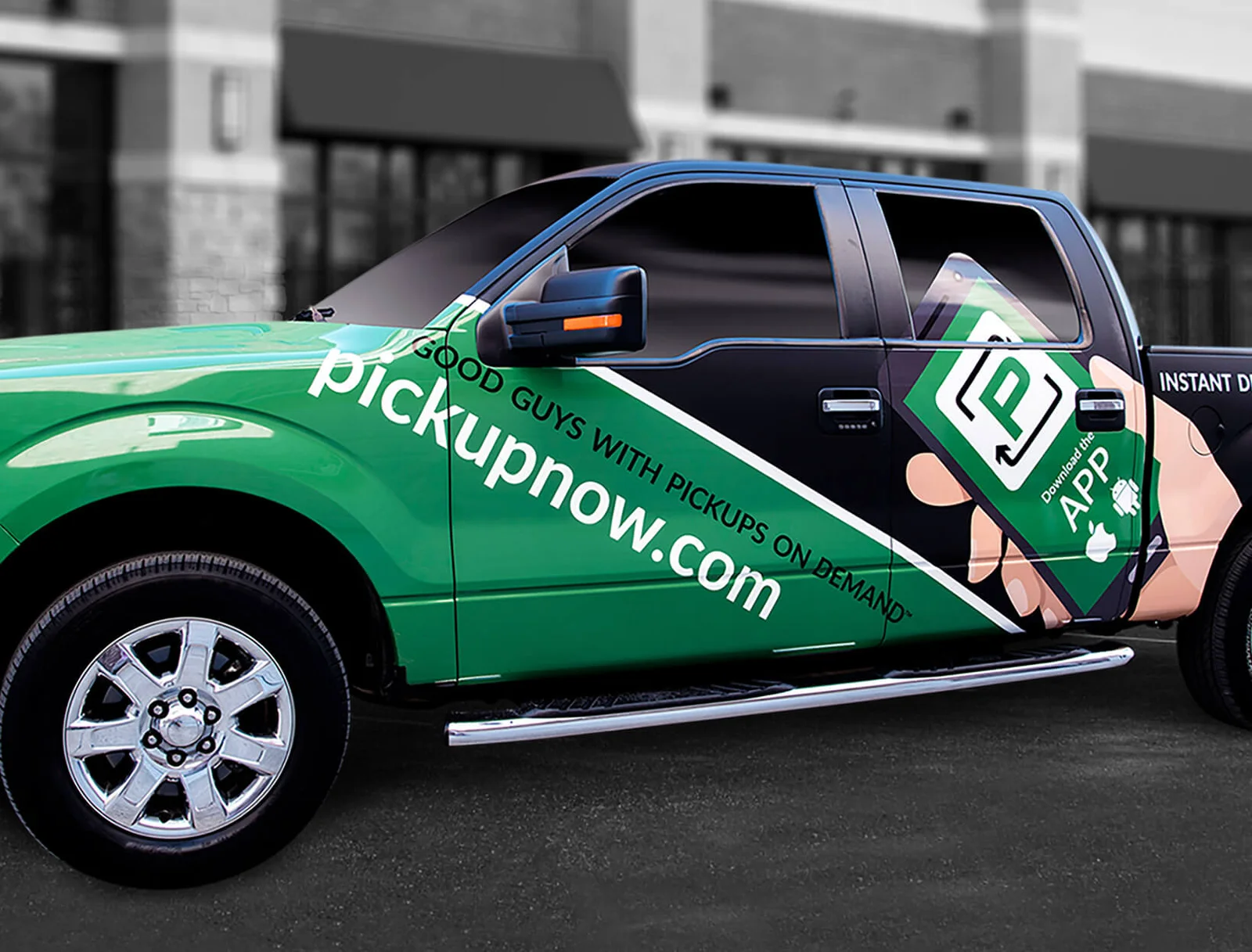
Case Study: PICKUP
THE CHALLENGE: 68% of shoppers abandon purchases due to delivery friction for big items.
WHAT WE BUILT: We built PICKUP with a team of talented operators, engineers, and logistics experts. We created the “Good Guys” driver model, scaled to 90+ cities, and raised $40 million across Series A and B. At our peak, we had contracts with 20 of the top retailers in the country, including Walmart, Pottery Barn, Big Lots, and AtHome. We exited at Series B.
RESULTS : Early stage proves the model works in one market. Series A proves it works in multiple markets. Series B proves unit economics work at scale. The marketing that works at each stage is completely different.
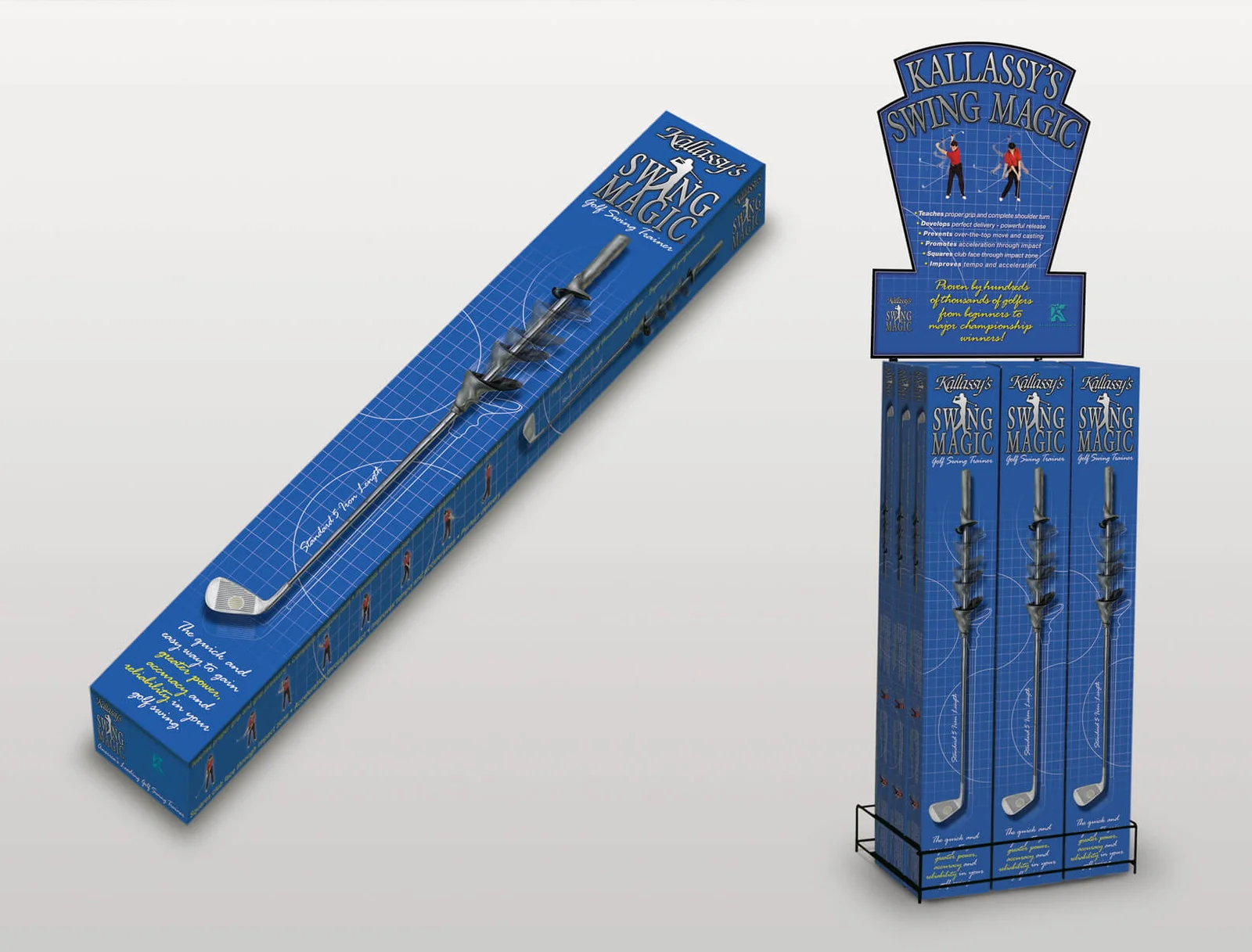
Case Study: Kallassy’s Swing Magic
THE CHALLENGE: Golfers struggle to improve their swing mechanics without professional instruction. Most training aids are expensive or ineffective.
WHAT WE BUILT: Swing Magic launched through direct response infomercial marketing, selling over 750,000 units worldwide as the most successful new golf product of its era.
RESULTS : The product was licensed by world-renowned golf instructor Hank Haney and endorsed by top golf pros and long drivers. It became a category-defining product that proved infomercial marketing could work for sports training equipment.
Case Study: Games2U
THE CHALLENGE: Parents wanted premium entertainment for kids’ parties and events without the hassle of venue booking and travel.
WHAT WE BUILT: We helped the company raise their first million and developed the complete marketing package: game concepts, website, graphics, operating system, and franchise sales materials.
RESULTS : Games2U appeared on Shark Tank and was labeled one of the hottest franchises of the year. The company sold 70 franchises in year one, 160 in year two. The founder successfully sold the company and it continues to operate under new management.