
B2B Lead Generation: Qualified Pipeline From Real Intent Data
Lead generation has fundamentally changed. The old playbook of interruption marketing no longer works in a world where buyers control the information flow. Here’s what actually drives qualified leads today.

Understanding the Modern Buyer Journey
The buyer journey today looks nothing like it did five years ago. Buyers complete 70% of their research before ever talking to sales. They read reviews, compare alternatives, and form opinions long before filling out a contact form.
This creates a challenge: how do you influence decisions you can’t see happening? The answer is being present at every stage with content that actually helps, not content that sells.

The Sales Pipeline Reality
Most companies confuse lead volume with pipeline health. They celebrate hitting lead targets while their sales teams struggle with unqualified prospects who were never going to buy.
We focus on pipeline quality over lead quantity. Better to generate 50 leads that convert at 20% than 500 leads that convert at 2%. This means being ruthless about qualification, transparent about pricing and fit, and willing to disqualify prospects early rather than wasting time.
Lead Generation Case Study: Transcom
THE CHALLENGE
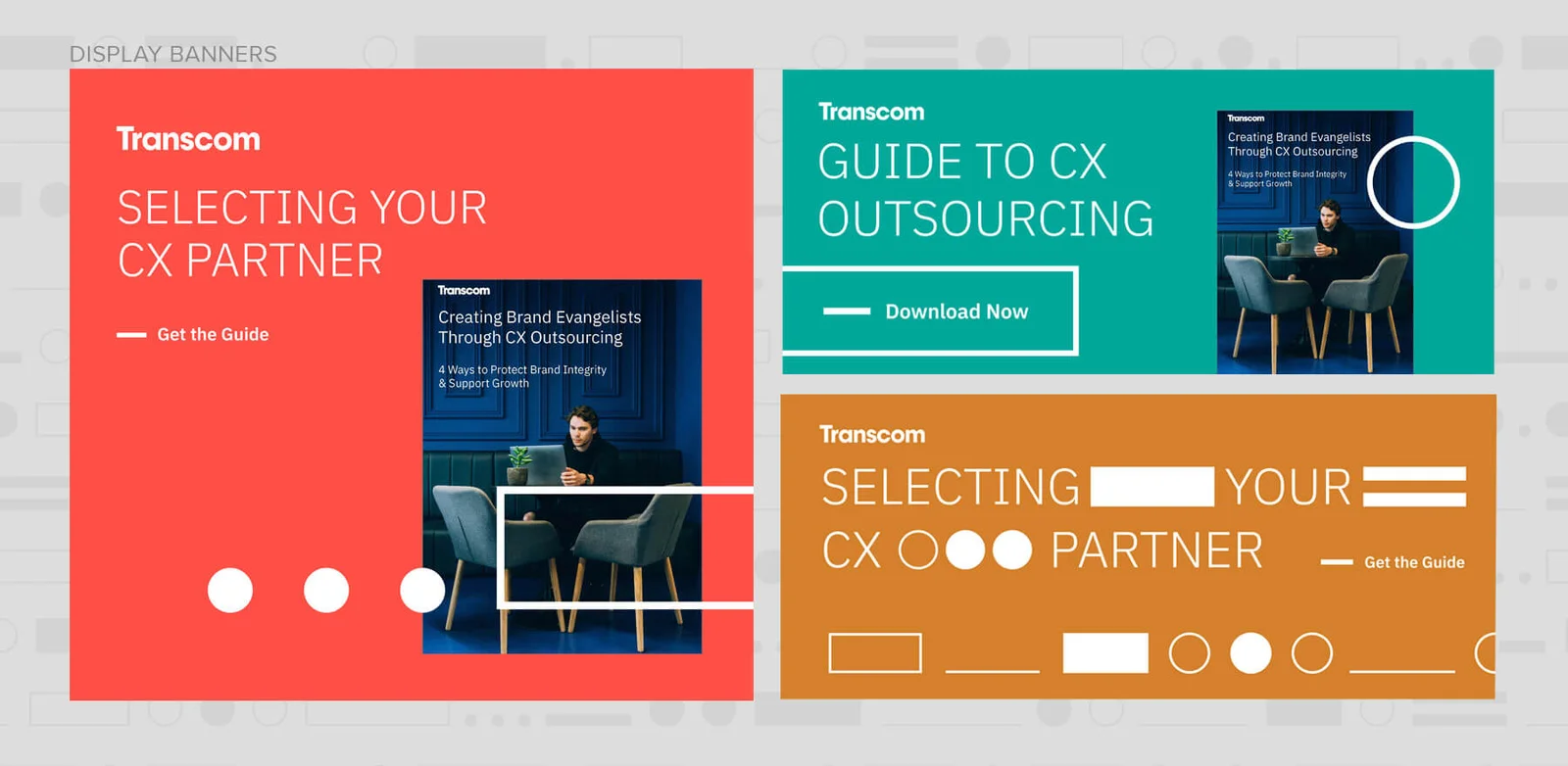
STRATEGY: TOP OF FUNNEL
- LinkedIn employee amplification and sponsored social content to generate brand awareness
- Organic social content delivered on Facebook
- Paid search using targeted key phrases for users doing research
STRATEGY: MID-FUNNEL
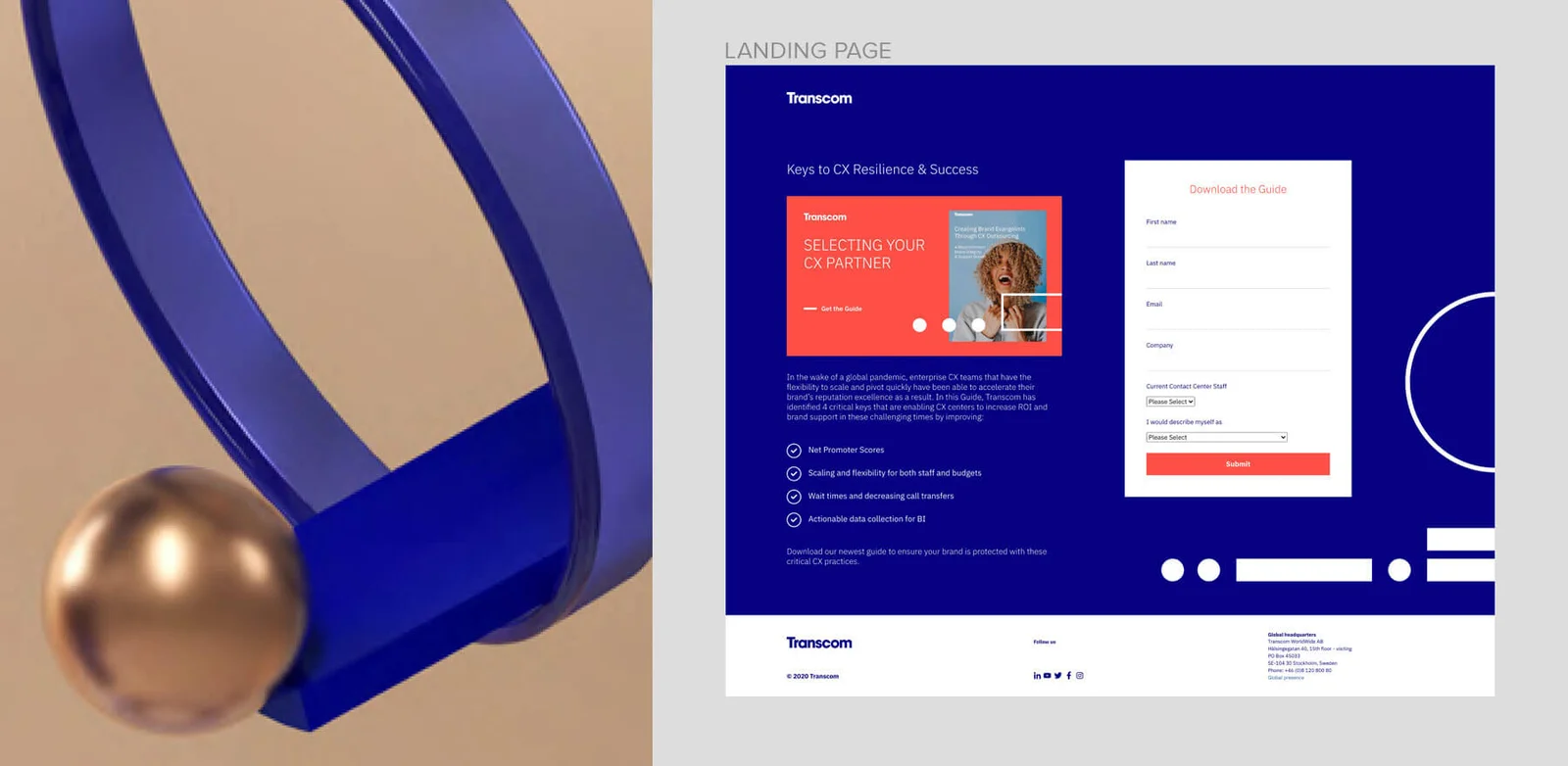
- Facebook & LinkedIn: Native lead gen ads
- LinkedIn: Target audience and retargeting buys
- Facebook: Retargeting
- Google: Retargeting to drive users to the Transcom HubSpot landing page
STRATEGY: BOTTOM OF FUNNEL
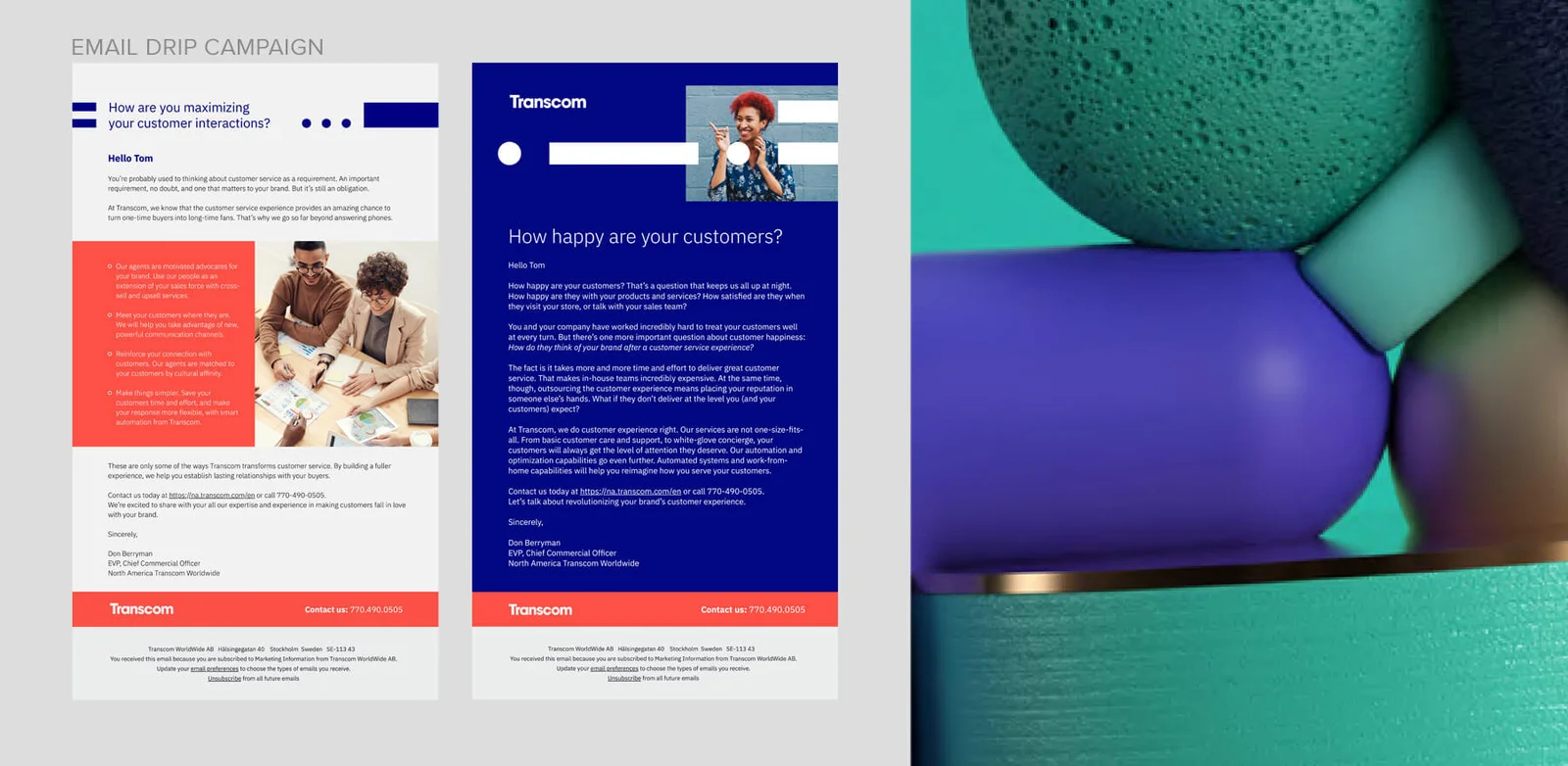
- Sales team connections in LinkedIn
- Email nurture drip campaign with call to action
WHAT WE LEARNED
This project reinforced something we see repeatedly: lead generation success depends on alignment between marketing and sales. Marketing can generate thousands of leads, but if sales doesn’t trust the quality or understand the context, those leads die in the pipeline.
We spent as much time on the handoff process as we did on the campaigns themselves. Clear lead scoring criteria. Agreed-upon qualification standards. Regular feedback loops between marketing and sales on lead quality. This alignment turned a lead generation program into a revenue generation program.
FAQs
What is B2B lead generation?
B2B lead generation is the process of finding, qualifying, and delivering business contacts who match an ideal customer profile and have expressed some signal of interest. Springbolt combines data (Custom Audiences), outreach (cold email, LinkedIn, programmatic), and offers to produce qualified pipeline.
How does Springbolt generate B2B leads?
Springbolt sources leads through real search intent audiences (the same data behind Custom Audiences), running compliant outbound outreach across email and LinkedIn, and driving inbound through paid media and SEO. Every lead is enriched, verified, and scored before handoff.
How much does B2B lead generation cost?
Lead generation programs typically start at $5,000 per month plus a per-lead or per-appointment fee depending on target audience and volume. Custom scope pricing is available for large enterprise programs.
What kind of leads does Springbolt deliver?
Springbolt delivers marketing qualified leads (MQL) or sales qualified appointments (SQA) depending on the client’s sales motion. Every lead includes verified contact info, buyer signals, and qualification notes.
How long before I see leads?
Standard onboarding takes 2 to 3 weeks. First leads typically deliver in weeks 3 to 4. Program scale-up happens in weeks 5 through 8.
Does Springbolt use scraped data or purchased lists?
No. Springbolt uses real search intent audiences and compliant enrichment. No scraped LinkedIn data, no purchased email lists. This is why deliverability and conversion are meaningfully better than most competitors.
Springbolt Group is based in Dallas, TX at 6060 N Central Expressway, Suite 500, and serves B2B clients across the United States. Whether you are a Dallas-Fort Worth business looking for a local partner or a national brand looking for a marketing and data agency with three decades of experience, Springbolt delivers strategy, creative, and data infrastructure as one integrated engagement. Contact us at (888) 511-7686 or info@springboltgroup.com.